







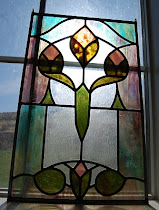


Stained glass plating is a method that gives a layered look to any stained glass piece. The look is used in many Tiffany glass pieces. Stained glass plating has many advantages over a finished glass piece, including a wide range of colors, minimal visual impact of solder lines and a three-dimensional effect to the final product.
Using Specific Shapes
- Certain shapes make stained glass plating more difficult. Artists new to the method should choose small, curved pieces. Curved pieces are easier to plate together while maintaining the integrity of the piece. Smaller pieces make it easier for the artist to cut an exact match for plating.Longer, straighter pieces are more difficult to plate because of the possibility of bowing. Longer pieces also tend to have uneven weight distribution, making it more difficult to put the final product together. Beginners should start with smaller plated pieces, until they master the skills needed to match and solder large pieces.
Build Vent Areas
- Glass pieces for plating must be accurate. If each cut is not precise, moisture builds between the layers of glass. Moisture can change the look of a finished piece by obstructing the colors of the plates. To keep moisture from staying between the plates, do not solder all the way around the glass pieces. Leave a few small open areas to vent the piece. Dabbing petroleum jelly on the areas where there should be a vent allows the artist to solder all the way around the piece. Petroleum jelly prevents the solder from sticking to the glass, leaving enough ventilation to remove the moisture. Remember to clean glass pieces before plating. Dust will show up in the finished product.
Supporting Each Layer
- Some designs require plating be done only to specific parts of the glass piece. The piece can become top-heavy if most of the plating is toward the top of the glass. This can damage the bottom of the piece if there is too much weight for the bottom to support. Plate a piece of clear glass onto the bottom of the piece to prevent damage and support the top. The extra plate will not affect the overall look of the stained glass plating. Clear plating makes the finished piece easier and safer to move.This article was written by Terri Deno, eHow Contributor


 Posts
Posts





No comments:
Post a Comment